The Evolving Landscape of Darts: Navigating Inclusion for Transgender Women
The world of professional darts, a sport celebrated for its precision, focus, and mental fortitude, is currently grappling with complex questions surrounding fairness and inclusion, particularly concerning transgender athletes. The discussion around darts trans frauen (transgender women in darts) has gained significant traction, reflecting a broader societal conversation about transgender participation in women's sports. At the heart of this evolving debate is the challenging balance between ensuring equitable competition for cisgender women and fostering an inclusive environment for all athletes.
For enthusiasts and participants alike, understanding the nuances of this topic is crucial. It’s not merely about individual athletes but about the fundamental principles of sportsmanship, equity, and belonging. As organizations worldwide strive to update their policies, the experiences of athletes like Noa-Lynn van Leuven offer a poignant insight into the human impact of these decisions, underscoring the urgency for thoughtful and empathetic policy-making.
Noa-Lynn van Leuven: A Central Figure in the Darts Trans Frauen Debate
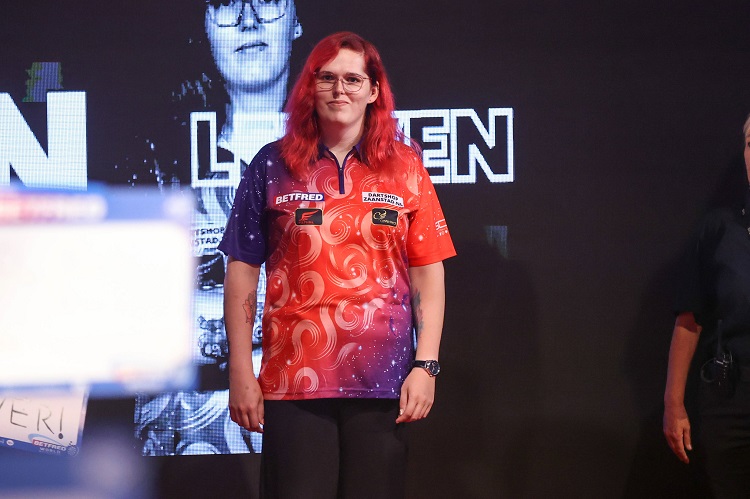
The conversation around darts trans frauen has been significantly shaped by the experiences of individuals such as Dutch darts player Noa-Lynn van Leuven. Her journey highlights the complexities and emotional toll associated with transgender athletes competing in women's categories. Van Leuven, a talented player who has competed at the Darts World Championship, found herself at the center of this debate when new regulations began to impact her eligibility.
Following her participation in top-tier competitions, a decision was made that she would no longer be permitted to compete in "pure women's competitions." This development, as commented by van Leuven herself, was perceived as "the next heavy blow for the trans community." Her statement encapsulates the deep sense of disappointment and marginalization felt by many transgender athletes who aspire to compete at the highest levels of their chosen sport. The situation with Noa-Lynn van Leuven underscores a critical juncture for darts federations and highlights the ongoing need for clearer, more comprehensive guidelines that address the unique circumstances of transgender women in sport.
Her experience serves as a powerful reminder that behind every policy discussion are real individuals whose lives and careers are directly affected. It pushes the darts community, from governing bodies to fans and fellow players, to confront tough questions about what fairness truly means and how best to ensure that the spirit of darts—a sport for all—can genuinely flourish.
Understanding the Shifting Landscape of Regulations for Transgender Athletes
The discussion surrounding darts trans frauen is part of a much larger, global conversation about the participation of transgender athletes in sports. Across various disciplines, governing bodies are grappling with how to formulate policies that balance principles of fair play, inclusion, and the integrity of women’s sports. This complexity arises from a confluence of scientific understanding, societal values, and the unique physiological differences between individuals.
The Broader Sporting Context
Historically, sports have been categorized by sex, primarily due to biological differences that can lead to competitive advantages. For transgender women, who were assigned male at birth, these discussions often revolve around perceived physiological advantages that may persist even after hormone therapy. Organizations like the International Olympic Committee (IOC) have offered frameworks, but they often emphasize that individual sports federations should develop their own specific guidelines, recognizing that the impact of biological differences can vary significantly across different sports.
- IOC Guidelines: The IOC's 2021 framework moved away from a "testosterone-suppression" requirement as the sole determinant for eligibility, instead advocating for a focus on individual sports to determine whether a "disproportionate advantage" exists that would undermine fair competition. This shift places more responsibility on individual federations to conduct research and develop evidence-based policies.
- Variations Across Sports: Sports that rely heavily on power, speed, and endurance (e.g., track and field, weightlifting) might approach these regulations differently from sports where skill, precision, and mental strategy are paramount (e.g., shooting, chess, and notably, darts). The nature of darts, requiring exceptional hand-eye coordination, focus, and strategy over brute physical strength, suggests that the criteria for assessing "fairness" might need to be uniquely defined.
Specific Implications for Darts
Given the situation with Noa-Lynn van Leuven, it's evident that darts organizations are beginning to implement or clarify their own rules regarding transgender women. While the specific details of these policies often involve nuanced biological and medical considerations, the underlying goal is to ensure that competition within women's categories remains fair and competitive for all participants. The decision to bar transgender women from "pure women's competitions" suggests a move towards sex-segregated categories, potentially reserving women's events for cisgender female athletes, while perhaps allowing transgender women to compete in open or mixed categories.
The key arguments typically cited for such rules include:
- Maintaining a Level Playing Field: Concerns that advantages developed during male puberty, even with hormone therapy, could persist and affect competitive outcomes in women's categories.
- Protecting Opportunities for Cisgender Women: Ensuring that cisgender women have dedicated spaces to compete and achieve success without facing what some perceive as unfair competition.
Conversely, advocates for full inclusion emphasize:
- Inclusion and Mental Health: The importance of allowing transgender athletes to participate in sports in alignment with their gender identity for their well-being and sense of belonging.
- Efficacy of Hormone Therapy: Arguments that hormone therapy significantly reduces any potential physical advantages, making competition fair.
- The Nature of the Sport: In darts, where physical strength is less of a factor compared to precision and mental game, the argument for significant biological advantage becomes less clear-cut for many.
The challenge for darts governing bodies is to navigate these complex considerations with scientific rigor, empathy, and a commitment to the integrity of the sport for all its participants.
The Impact and Future of Transgender Inclusion in Darts
The evolving policies regarding darts trans frauen have far-reaching implications, not just for individual athletes but for the entire darts community. The decisions made by governing bodies resonate deeply, influencing participation rates, community perception, and the very definition of competitive fairness in the sport.
Emotional and Psychological Impact on Athletes
For transgender athletes like Noa-Lynn van Leuven, the exclusion from "pure women's competitions" can be devastating. As van Leuven noted, it feels like "another heavy blow for the trans community." This sentiment highlights the significant emotional and psychological toll such policies can take. Being barred from categories aligned with one's gender identity can lead to feelings of rejection, isolation, and invalidate an athlete's identity within their chosen sport. It can deter prospective transgender athletes from even attempting to join the sport, thereby diminishing the diversity and talent pool within darts.
- Loss of Opportunity: Restricting competition in women's categories can limit opportunities for professional advancement, sponsorship, and recognition for transgender women athletes.
- Mental Health Concerns: The ongoing debate and potential exclusion can contribute to stress, anxiety, and depression among transgender individuals who seek to participate in sports.
- Sense of Belonging: Sports are often a vital source of community and identity. Policies that lead to exclusion can erode this sense of belonging for transgender individuals.
Pathways Towards a More Inclusive Future
As the darts community grapples with these challenges, several pathways and considerations emerge for fostering a more inclusive future while upholding competitive integrity:
- Evidence-Based Policy Development: Darts organizations should invest in research specific to the sport to determine if and where biological advantages might genuinely impact competitive outcomes for transgender women. This includes consulting with sports scientists, medical professionals, and transgender advocacy groups.
- Open and Mixed Categories: One solution gaining traction in various sports is the creation or enhancement of "open" or "mixed" categories. These categories would be open to all players, regardless of sex or gender identity, potentially allowing transgender women to continue competing at high levels without impacting existing women's categories.
- Community Dialogue and Education: Fostering respectful dialogue within the darts community can help bridge understanding between different viewpoints. Educational initiatives can demystify gender identity and the experiences of transgender athletes, reducing misinformation and prejudice.
- Phased Implementation and Review: Policies should not be set in stone but should be open to review and adaptation as scientific understanding evolves and as the impact of policies becomes clearer.
The goal should be to find solutions that allow everyone to experience the joy, challenge, and camaraderie of darts. The future of darts trans frauen participation will likely involve a multi-faceted approach, emphasizing both fairness and radical inclusion, acknowledging that these two principles are not mutually exclusive but require careful and thoughtful reconciliation.
Navigating the Future: Finding Common Ground for All Darts Players
The intricate discussion surrounding darts trans frauen requires a concerted effort to find common ground, ensuring that darts remains a sport for everyone, characterized by both fairness and inclusion. This isn't just about crafting rules; it's about fostering an environment where all participants feel valued, respected, and have the opportunity to thrive.
Seeking Nuanced Solutions and Best Practices
The simplistic view of "inclusion versus fairness" often obscures the potential for nuanced solutions. Many believe that both can coexist with thoughtful policy design. For darts, a sport where precision, mental resilience, and steady hands often outweigh raw physical power, the discussion around competitive advantage needs to be particularly well-researched and context-specific. Blanket policies adopted from highly physical sports may not be appropriate or fair for darts.
Tips for Governing Bodies and Organizations:
- Consult Widely: Engage with medical experts, sports scientists, ethicists, legal advisors, and critically, transgender athletes themselves, alongside cisgender women athletes, to develop comprehensive policies.
- Define "Fairness" in Darts: Clearly articulate what competitive fairness means within the context of darts, taking into account the primary skills and attributes that lead to success in the sport.
- Consider Tiered or Adaptive Policies: Explore if different rules might apply to different levels of competition (e.g., recreational vs. elite) or if specific criteria beyond binary gender categories could be developed for eligibility.
- Support Open Categories: Actively promote and develop open categories that welcome all players regardless of gender identity, offering robust competitive opportunities for transgender women.
- Transparency and Communication: Be transparent about policy decisions, the evidence supporting them, and the process for appeal or review. Clear communication helps build trust and reduce misunderstanding.
The Role of Community and Advocacy
For athletes and fans, active and respectful engagement is key. Transgender athletes can find strength in advocacy groups and support networks that champion their right to participate. Cisgender allies can play a crucial role by educating themselves, speaking out against discrimination, and supporting inclusive initiatives.
Practical Steps for Athletes and Fans:
- Educate Yourself: Understand the complexities of gender identity and the science behind transgender athletic performance.
- Engage Respectfully: Participate in discussions with an open mind, focusing on solutions rather than divisive rhetoric.
- Advocate for Inclusion: Support organizations and policies that promote fair and inclusive practices in darts.
- Be an Ally: Challenge discriminatory remarks or attitudes within the darts community and foster an environment of acceptance.
Ultimately, the goal is to cultivate a darts community where the focus is on skill, sportsmanship, and the shared love of the game, rather than on exclusionary practices. The journey to fully resolve the questions surrounding darts trans frauen will be ongoing, but it is a journey that must be undertaken with empathy, scientific rigor, and a commitment to the values that make sports so meaningful.
Conclusion
The conversation around darts trans frauen is a vital, albeit challenging, dialogue that reflects broader societal shifts towards understanding and inclusion. The experiences of athletes like Noa-Lynn van Leuven highlight the profound personal impact of policy decisions in sports. While the path to universally accepted solutions is complex, requiring careful consideration of fairness for cisgender women and inclusion for transgender women, it is imperative that governing bodies, athletes, and fans approach this topic with empathy, scientific grounding, and a genuine commitment to the spirit of darts.
By fostering open dialogue, supporting evidence-based policy development, and exploring innovative competition structures such as robust open categories, the darts community can strive towards a future where everyone has the opportunity to experience the joy and challenge of the sport, regardless of their gender identity. The strength of darts lies not only in its rich history and competitive spirit but also in its potential to exemplify a truly inclusive sporting world.