Darts Trans Frauen: Navigating the Complexities of Inclusion and Fair Play
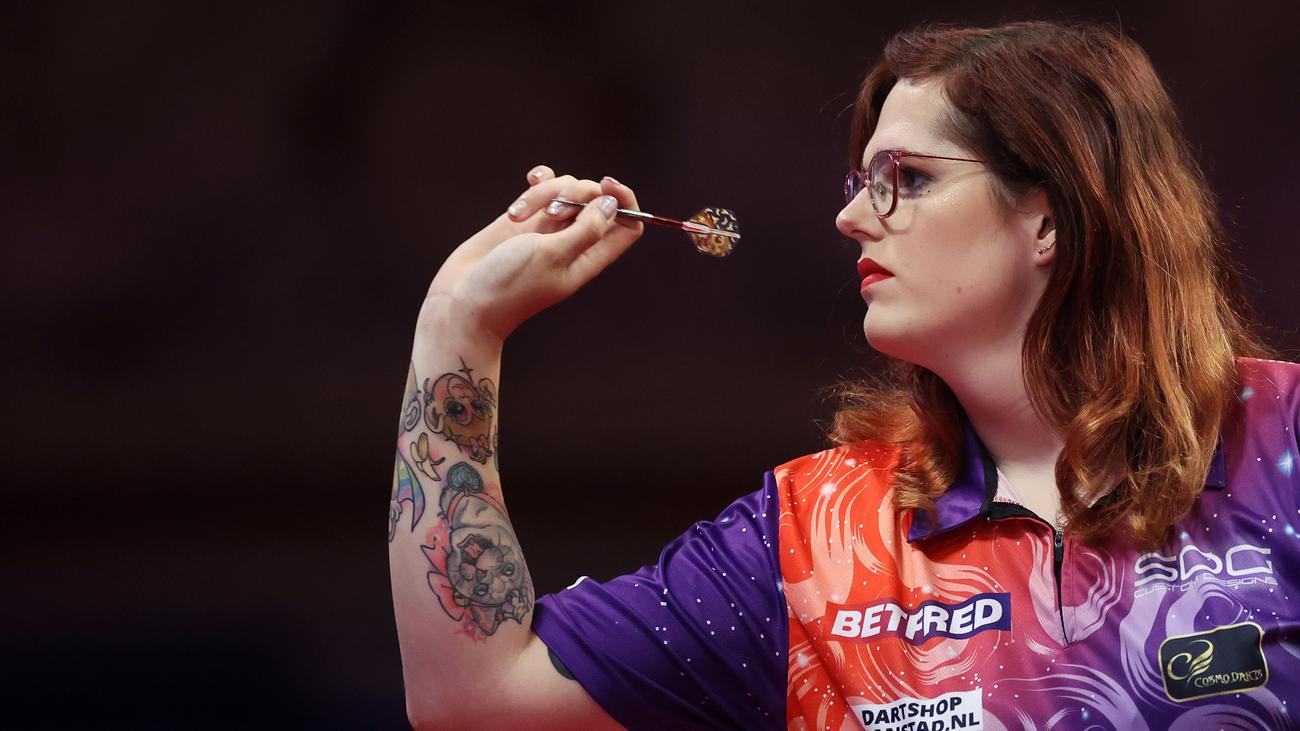
The world of sports, often celebrated for its inclusivity and unifying power, is currently grappling with one of its most complex and sensitive debates: the participation of transgender women in women's categories. This discussion is particularly nuanced in sports like darts, where the perceived physical advantages might differ from more strength or endurance-based disciplines. The recent case involving Dutch darts player Noa-Lynn van Leuven has brought the issue of darts trans frauen (trans women in darts) squarely into the spotlight, sparking widespread discussion about fairness, inclusion, and the future of competition.
For many, sports represent a safe space for competition and self-expression. For transgender athletes, the right to participate in categories aligning with their gender identity is a fundamental aspect of their inclusion and human dignity. However, concerns about competitive integrity and fair play for cisgender women athletes are equally valid and deserve thoughtful consideration. As Noa-Lynn van Leuven’s experience highlights, finding a balance that honors both principles is proving to be a formidable challenge for sports federations, athletes, and the wider community.
The Case of Noa-Lynn van Leuven: A Turning Point for Darts Trans Frauen
Noa-Lynn van Leuven is a prominent figure in the darts community, having already made her mark by competing in the prestigious Darts World Championship. As a transgender woman, her journey in professional darts has been watched closely, representing both progress and the ongoing hurdles faced by trans athletes. Her success on the oche has been a testament to skill, dedication, and the spirit of competition.
However, her path recently took a significant turn. A decision by a governing body now prohibits her from competing in women-only competitions. This ruling has sent ripples through the darts world and beyond, eliciting a strong reaction from van Leuven herself, who publicly described it as "the next heavy blow for the trans community." This statement underscores the profound emotional and psychological impact such policies can have, not just on individual athletes but on the broader transgender population who often look to these figures as symbols of hope and representation.
The specifics of the ruling, including the exact reasoning and the body responsible, contribute to a complex landscape. While darts is often perceived as a sport where physical strength is less dominant compared to, say, weightlifting or running, the debate still centers on whether any biological advantages from male puberty persist and, if so, whether these are significant enough to impact fair competition in women's categories. Noa-Lynn’s situation epitomizes the ongoing struggle to define inclusion in a way that is equitable for all participants, setting a crucial precedent for how darts trans frauen might be governed in the future.
Navigating Fairness and Inclusion: The Core Debate in Darts
The debate surrounding transgender women in women's sports is fundamentally about balancing two critical values: inclusion and fairness. Proponents of inclusive policies argue that barring transgender women from women's sports is discriminatory and invalidates their gender identity. They emphasize that sports participation is vital for physical and mental well-being, and that transgender individuals, like all others, should have the opportunity to compete in a category that aligns with their lived experience.
On the other hand, concerns about fairness often focus on potential biological advantages that transgender women, who have undergone male puberty, might retain even after hormone therapy. While some argue that these advantages (such as bone density, lung capacity, or muscle mass) are negligible in a sport like darts, others contend that even subtle differences could affect competitive outcomes, especially at elite levels. The precision, focus, and fine motor skills required in darts might lead some to believe that physical attributes play a lesser role than in other sports. However, factors like endurance for long tournaments, stability, and even psychological resilience, could still be influenced by physiological differences.
This nuanced discussion requires a deeper dive into scientific understanding, ethical considerations, and the lived experiences of both cisgender and transgender athletes. For many cisgender women, the women's category was created precisely to provide a level playing field, acknowledging inherent biological differences between sexes. The integration of transgender women, therefore, introduces questions about the very definition and purpose of women's sports. The core challenge is to foster an environment where all athletes feel respected, valued, and have genuine opportunities to succeed, without compromising the integrity of fair competition. This ongoing dialogue is crucial for shaping future policies regarding darts trans frauen and other sports.
Policy and Practice: What Governing Bodies Are Doing (and Not Doing)
Globally, sports governing bodies are struggling to establish consistent and equitable policies regarding the participation of transgender athletes. There is no universal consensus, leading to a patchwork of rules that vary significantly from one sport to another, and even within the same sport across different jurisdictions. Some organizations have adopted policies based on testosterone levels, requiring transgender women to maintain certain thresholds for a specified period. Others have opted for more restrictive measures, sometimes entirely excluding transgender women from women's categories, or proposing "open" categories separate from men's and women's competitions.
The decision to prohibit Noa-Lynn van Leuven from women-only competitions highlights the conservative turn some federations are taking. Such policies, while often implemented with the stated aim of protecting cisgender women's sports, are widely criticized by transgender rights advocates for their exclusionary nature. They argue that these rules often lack robust scientific backing specific to the sport in question and fail to consider the diverse experiences and physiological variations among transgender individuals.
The lack of clear, evidence-based guidelines for sports like darts exacerbates the problem. Darts, with its unique demands, warrants specific research and policy development rather than a blanket application of rules designed for high-impact or endurance sports. The current fractured approach creates uncertainty for athletes and fosters a sense of insecurity within the trans community, as reflected in van Leuven's comments. It also underscores the urgent need for international sports bodies to collaborate, invest in sport-specific research, and engage in meaningful dialogue with all stakeholders to develop policies that are both fair and inclusive for darts trans frauen and all athletes. This will likely involve a continuous process of review and adaptation as understanding evolves. You can read more about ongoing policy debates and their impact on athletes in darts trans frauen - Article 2 and darts trans frauen - Article 3.
Beyond the Oche: The Societal Impact on the Trans Community
The impact of decisions regarding transgender athletes extends far beyond the competitive arena. When a prominent athlete like Noa-Lynn van Leuven describes a ruling as a "heavy blow for the trans community," it reflects a deeper societal wound. These decisions are not merely about sports; they are about recognition, validity, and belonging. For many transgender individuals, seeing their peers excluded from public life, especially in highly visible fields like sports, reinforces feelings of marginalization and invalidation.
Sports serve as powerful platforms for identity formation, community building, and personal achievement. When transgender women are denied the opportunity to compete authentically, it can have significant psychological consequences, including increased rates of anxiety, depression, and a sense of disconnection. The message conveyed can be that their identities are not fully legitimate or worthy of inclusion, contributing to the broader discrimination and prejudice that trans individuals often face in society.
Moreover, the public discourse surrounding these debates can sometimes become highly charged and polarizing, often fueled by misinformation. This can create a hostile environment that further alienates transgender individuals and their allies. For the trans community, the fight for inclusion in sports is intrinsically linked to the broader struggle for human rights and acceptance. Creating truly inclusive environments means not only adjusting rules but also fostering a culture of empathy, understanding, and respect. It requires active listening to the experiences of transgender people and recognizing the value they bring to all aspects of society, including the competitive world of darts trans frauen.
Practical Insights for Fostering Inclusive Environments:
- Data-Driven Policies: Encourage sports federations to invest in specific research pertaining to biological advantages (or lack thereof) in sports like darts, considering fine motor skills and psychological components.
- Open Dialogue: Facilitate constructive conversations involving all stakeholders—cisgender female athletes, transgender athletes, scientists, ethicists, and sports administrators—to collaboratively find solutions.
- Education and Awareness: Promote understanding of gender identity and the challenges faced by transgender individuals within sports communities and among the general public.
- Support Networks: Establish and promote support systems for transgender athletes, ensuring they have access to mental health resources and advocacy.
- Flexible Categories: Explore innovative competition structures, such as open categories or tiered systems, that might accommodate a wider range of athletes while maintaining competitive integrity for all.
Conclusion
The situation surrounding darts trans frauen, exemplified by Noa-Lynn van Leuven's experience, is a microcosm of a larger societal debate. It highlights the profound challenges in reconciling the desire for universal inclusion with legitimate concerns about fair competition. While the nuances of physical advantage in darts may differ from other sports, the core principles remain: how do we create sporting environments where all athletes feel valued, respected, and have the opportunity to participate authentically?
There are no easy answers, and the path forward requires ongoing research, compassionate dialogue, and a willingness to adapt traditional structures. The goal should be to foster sporting communities that celebrate diversity and uphold the spirit of fair play for everyone. As we move forward, the experiences of athletes like Noa-Lynn van Leuven will continue to shape our understanding and push us towards more thoughtful and equitable solutions for the future of sports.