The Evolving Landscape: Transgender Athletes in Darts and Beyond
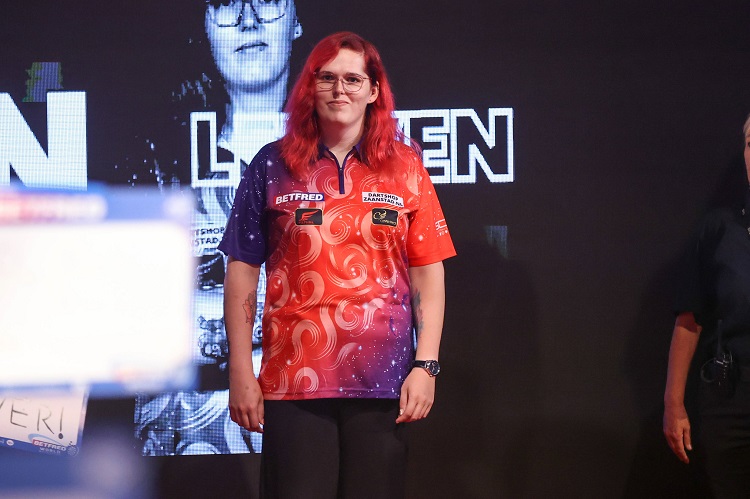
The world of sport is continually evolving, grappling with complex questions of identity, fairness, and inclusion. One of the most prominent discussions revolves around the participation of transgender women in women's sports. This conversation has recently reached the dartboard, spotlighting athletes like Noa-Lynn van Leuven, a talented Dutch darts player whose journey embodies the intricate challenges faced by darts trans frauen - Article 1 and the broader trans community.
Darts, often perceived as a sport of precision and mental fortitude rather than brute physical strength, might seem like an unlikely arena for such intense debate. Yet, the recent decision regarding Noa-Lynn van Leuven's eligibility for women-only competitions has brought these issues sharply into focus. Her case serves as a poignant example of the ongoing struggle to balance traditional sports categories with modern understandings of gender identity.
Noa-Lynn van Leuven: A Case Study in Darts and Trans Inclusion
Noa-Lynn van Leuven is not just any player; she is an accomplished darts enthusiast who has already made her mark, including participating in the prestigious Darts World Championship. Her presence on such a global stage underscored the talent and dedication she brings to the sport, challenging preconceived notions and inspiring many. However, her journey has recently taken a significant turn, prompting widespread discussion and reflection within the darts community and beyond.
The crux of the matter lies in a recent ruling that will prevent Noa-Lynn van Leuven from competing in *women-only* darts competitions moving forward. This decision, while specific to her and the sport of darts, reverberates across the entire spectrum of transgender athletes. Van Leuven herself has reportedly commented on this ruling as "the next severe blow for the trans community," a statement that captures the deep sense of disappointment and marginalization felt by many.
For darts trans frauen - Article 3 and all trans women athletes, such policy changes can be devastating. Beyond the practical impact of being barred from specific competitions, there is a profound psychological and emotional toll. Sports often represent a sanctuary, a place for self-expression, community, and achievement. When that access is restricted based on gender identity, it can lead to feelings of rejection, isolation, and invalidate one's identity. This situation highlights the urgent need for sports governing bodies to navigate these waters with empathy, scientific understanding, and a clear vision for inclusive participation.
Navigating Fairness and Inclusion: The Core Debate in Sports
The debate surrounding transgender women in sports often boils down to two fundamental principles: inclusion and fairness. Both are vital for the integrity and spirit of sport, yet finding a harmonious balance between them presents considerable challenges.
-
The Argument for Inclusion:
- Human Rights: Advocates argue that trans women should be able to participate in sports in categories aligning with their gender identity, as a matter of human rights and dignity. Denying participation can be seen as discriminatory.
- Mental and Physical Well-being: Participation in sports is widely recognized for its benefits to physical health, mental well-being, and social integration. Excluding trans individuals from these opportunities can have detrimental effects on their overall quality of life.
- Spirit of Sport: The philosophy of "sport for all" emphasizes universal access and the joy of participation, regardless of background or identity.
- Gender Identity: For trans women, identifying and living as women is fundamental to their being. Participating in women's sports is an affirmation of that identity.
-
The Argument for Fairness (Competitive Equity):
- Biological Advantages: Concerns are often raised about potential physiological advantages trans women might retain from male puberty, even after hormone therapy. These include bone density, muscle mass, lung capacity, and skeletal structure, which some argue could create an unfair competitive edge in sports.
- Protecting Women's Sports: Critics of trans inclusion argue that women's sports categories were created specifically to provide a fair playing field for biological females, acknowledging historical and physiological disadvantages compared to biological males. They fear that the inclusion of trans women could undermine this purpose.
- Scientific Uncertainty: The long-term effects of hormone therapy on athletic performance, and the degree to which male pubertal advantages are mitigated, are subjects of ongoing scientific research and debate, leading to different interpretations and policy approaches.
It's crucial to acknowledge that darts, unlike many other sports, is often cited as a game where physical strength is not a primary determinant of success. Precision, focus, mental resilience, and strategy are paramount. This unique characteristic often leads to the question: Do the same concerns about "biological advantage" apply equally to a sport like darts as they might to, say, weightlifting or sprinting? This nuance suggests that blanket policies across all sports might not be the most appropriate or equitable approach for darts trans frauen - Article 1.
Impact on Athletes and the Trans Community: A Call for Empathy
The policies governing trans participation have a profound and personal impact. For athletes like Noa-Lynn van Leuven, a decision to bar them from women-only events can be disheartening, potentially ending dreams and disconnecting them from communities they cherish. Her description of the ruling as "the next severe blow for the trans community" speaks volumes about the collective pain and frustration felt when such policies are enacted.
When sports organizations make these decisions, they aren't just altering rules; they're shaping lives and sending powerful messages about who is welcome and who is not. This can lead to increased stress, anxiety, and even depression among trans individuals who simply want to participate in activities they love, like playing darts. The sense of being perpetually scrutinized, debated, and excluded can be incredibly damaging.
Practical Tips for Sports Organizations and Communities:
- Engage with Trans Athletes: Involve trans individuals and community representatives in policy discussions. Their lived experiences are invaluable for crafting empathetic and effective rules.
- Consult Medical and Scientific Experts: Base policies on the latest scientific understanding of gender transition, hormone therapy, and its impact on athletic performance, specific to each sport.
- Consider Sport-Specific Nuances: Recognize that a policy suitable for a contact sport like rugby may not be appropriate for a precision sport like darts. Tailor rules to the specific demands of the game. For darts trans frauen - Article 3, the emphasis should shift from physical advantage to the mental and skill-based aspects.
- Promote Education and Understanding: Foster an environment of learning and respect within sports clubs and federations. Education can dispel misconceptions and reduce prejudice.
- Explore Inclusive Categories: Consider creating "open" categories alongside traditional men's and women's categories, providing more opportunities for all athletes to compete fairly and inclusively.
- Prioritize Athlete Well-being: Any policy should ultimately support the mental and physical health of all athletes, fostering a welcoming and safe environment.
Towards a Future of Inclusive Darts (and Sport)
The situation with Noa-Lynn van Leuven and the broader discussion around darts trans frauen - Article 1 highlights a critical juncture for sports. Moving forward requires thoughtful consideration, open dialogue, and a commitment to innovation. Simply reverting to binary, biologically essentialist rules often fails to address the complexities of modern identity and can cause significant harm.
One potential path forward for sports like darts is to develop nuanced, sport-specific policies that consider the minimal role of physical advantage. If darts is truly a game of skill and nerve, then the criteria for participation in women's categories for trans women might reasonably differ significantly from those in highly physical sports. Perhaps the focus should be less on hormone levels (which are more relevant for mitigating strength advantages) and more on ensuring an equitable competitive experience based on skill development and practice.
Furthermore, the concept of "open" categories is gaining traction in various sports. This approach allows anyone to compete, regardless of gender identity or assigned sex at birth, while maintaining specific categories for those who wish to compete within a more defined gender framework. Such an approach could offer a valuable solution, ensuring competitive opportunities for all without compromising the integrity of women's sports categories.
Ultimately, the goal should be to create a sporting world where everyone feels welcome, respected, and has the opportunity to pursue their passion. This means federations, clubs, and individual players must engage in constructive dialogue, driven by empathy and a genuine desire for fair and inclusive outcomes for all athletes, including darts trans frauen - Article 3.
Conclusion
The journey of Noa-Lynn van Leuven and the ongoing debate surrounding darts trans frauen - Article 1 encapsulate the complexities inherent in integrating transgender athletes into sports. It is a dialogue that pits inclusion against fairness, individual rights against competitive equity, and evolving societal understandings against established traditions. While there are no easy answers, the path forward must be paved with empathy, robust scientific inquiry, and a willingness to adapt policies to the unique characteristics of each sport. For darts, a sport where precision and mental game often outweigh brute strength, the discussion presents a unique opportunity to lead with progressive, thoughtful solutions that champion both fairness and the fundamental right of every individual to participate and thrive in the sport they love.